The Dawn of Patient-Centric Dental Care
The landscape of dental care has undergone a remarkable transformation over the past decade, with patients increasingly taking the helm in shaping the future of oral health services. Gone are the days when dental patients were passive recipients of standardised treatments. Today’s discerning patients demand personalised care from their dentist Stevenage, cutting-edge technology, and treatment approaches that align with their individual lifestyles and preferences.
This shift towards patient-led innovations has fundamentally altered how dental practices operate across the United Kingdom. From sophisticated digital imaging systems to minimally invasive procedures, the industry has responded to patient feedback with unprecedented enthusiasm. The result is a more collaborative approach to dental care that prioritises comfort, convenience, and comprehensive outcomes.
Modern dental practices are witnessing a surge in patient-driven requests for specific technologies and treatment methodologies. Patients arrive at consultations armed with research, questions about the latest innovations, and clear expectations about their care journey. This informed approach has compelled dental professionals to stay abreast of emerging technologies and treatment modalities that were once considered futuristic.
Technology Transforming Patient Experiences
The integration of advanced technology in dental practices has been largely influenced by patient demands for more efficient, comfortable, and precise treatments. Digital dentistry innovations have revolutionised everything from initial consultations to complex restorative procedures, offering patients unprecedented levels of accuracy and convenience.
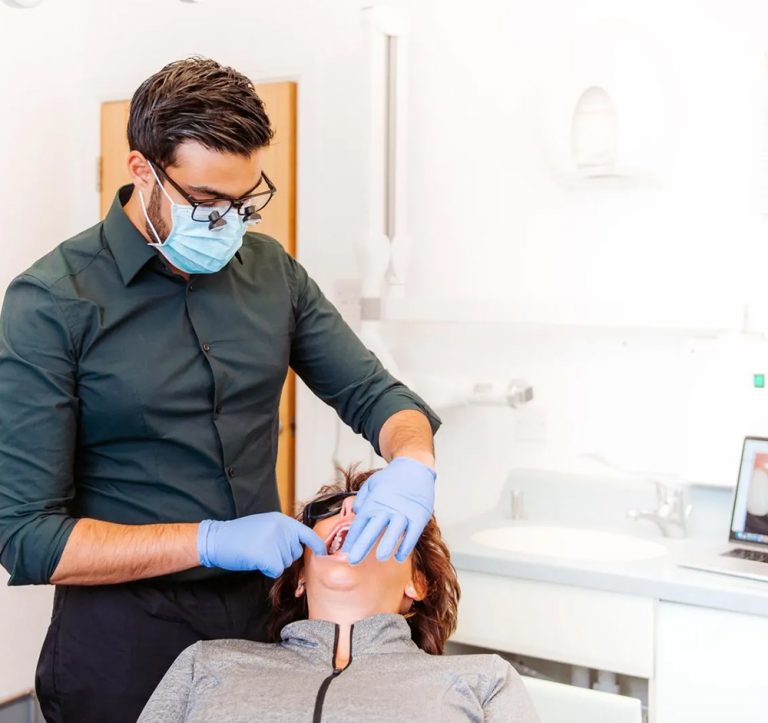
Intraoral scanners, 3D printing capabilities, and computer-aided design systems have eliminated many of the traditional discomforts associated with dental visits. Patients no longer endure messy impression materials or lengthy waiting periods for custom appliances. Instead, they benefit from same-day crowns, digitally planned implant procedures, and virtual treatment previews that allow them to visualise their results before treatment begins.
The adoption of these technologies has been particularly notable in progressive practices, where patient feedback directly influences equipment investments and service offerings. Patient often request faster, more comfortable procedures which can lead to significant practice upgrades that ultimately improves outcomes for all patients.
Patient Feedback Driving Treatment Innovation
The influence of patient preferences extends beyond technology adoption to encompass entirely new treatment approaches and service delivery models. Patient-led dentistry has fundamentally transformed product development across the industry, with manufacturers and practitioners collaborating to address specific patient concerns and preferences.
This collaborative approach has resulted in the development of biocompatible materials, pain-free injection techniques, and sedation options that cater to patients with varying levels of dental anxiety. The emphasis on patient comfort has also led to the creation of spa-like dental environments, where aromatherapy, noise-cancelling headphones, and ergonomic seating enhance the overall experience.
Personalised Treatment Plans
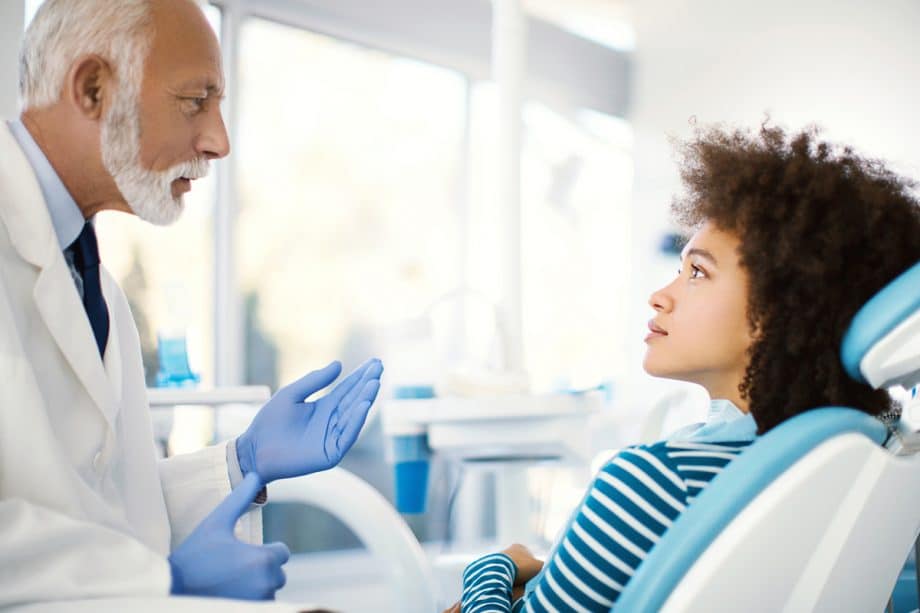
Contemporary dental care increasingly revolves around personalised treatment plans that reflect individual patient goals, budgets, and timelines. This bespoke approach ensures that each patient receives care tailored to their specific circumstances rather than following a one-size-fits-all methodology. Practitioners now spend considerable time discussing treatment options, explaining procedures in detail, and involving patients in decision-making processes.
The shift towards personalisation has also influenced preventive care strategies. Patients with different risk profiles receive customised maintenance schedules, dietary recommendations, and home care protocols. This individualised approach has proven more effective in maintaining long-term oral health outcomes whilst addressing patient-specific concerns and lifestyle factors.
Digital Communication and Accessibility
Patient-led innovations extend beyond clinical treatments to encompass communication methods and practice accessibility. Modern patients expect seamless digital interactions, from online appointment booking systems to virtual consultations and digital treatment progress updates. These technological enhancements have made dental care more accessible to busy professionals and individuals with mobility constraints.
The implementation of patient portals, mobile applications, and telemedicine capabilities has transformed how patients engage with their dental care providers. These platforms enable patients to access treatment records, communicate concerns, and receive follow-up care instructions conveniently. The journey of patient-centric innovations in dentistry continues to evolve as practices adapt to changing patient expectations and technological capabilities.
The Future of Patient-Driven Dental Care
The trajectory of patient-led innovations in dental care shows no signs of slowing. Emerging technologies such as artificial intelligence, predictive analytics, and remote monitoring systems promise to further personalise and enhance patient experiences. The unexpected benefits of digital dentistry innovations continue to unfold as practices embrace patient feedback and technological advancement.
As patients become increasingly knowledgeable about dental care options and more vocal about their preferences, the industry will continue evolving to meet these demands. This patient-centric approach ultimately benefits everyone involved, creating more effective treatments, improved outcomes, and enhanced satisfaction across the dental care spectrum.
About the Author